


Reviewing the 10 Best Shopping Cart Abandonment Software and Tools in 2026
Quick Summary
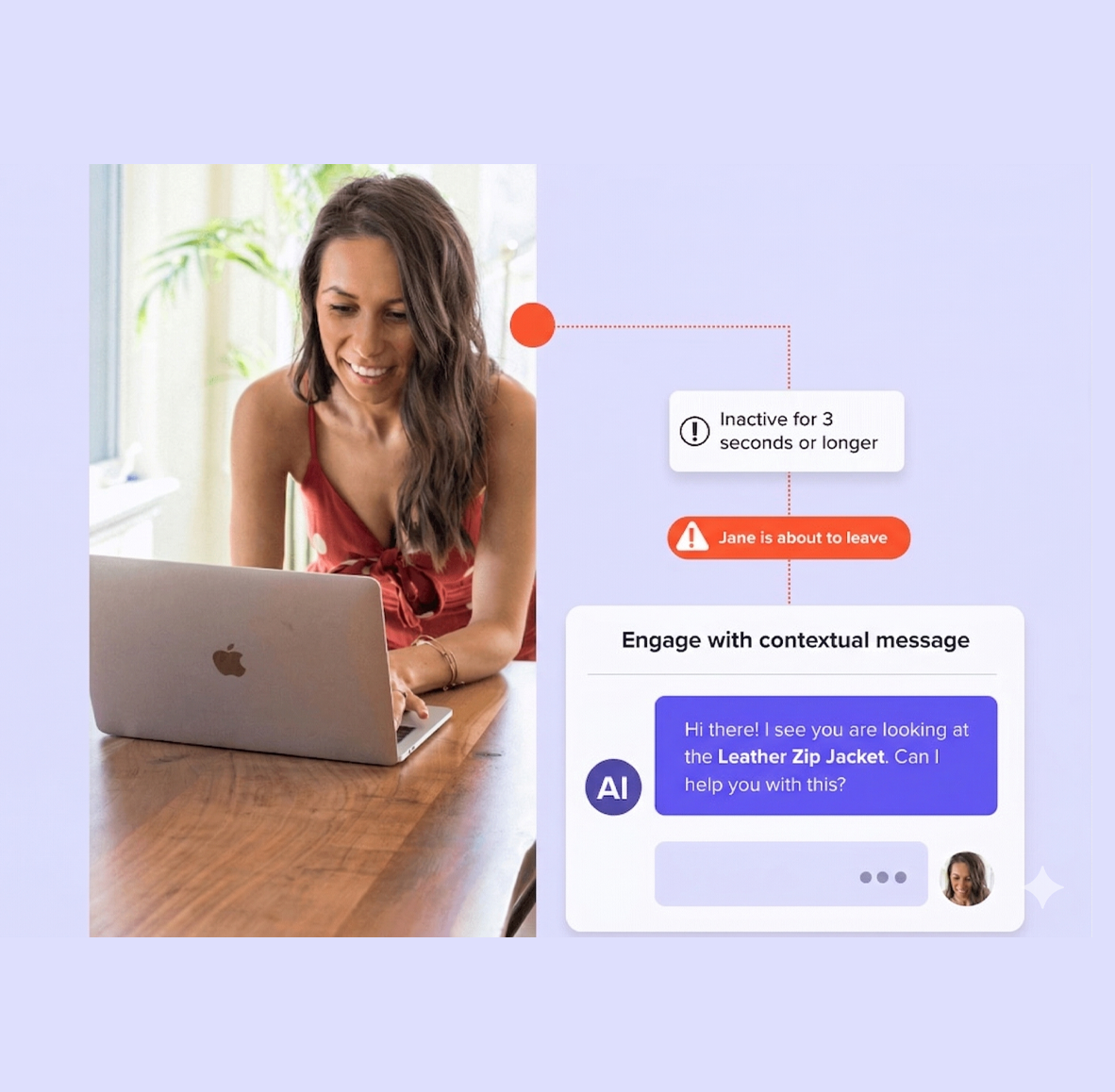
We compare the 10 best tools designed to reduce shopping cart abandonment. top features include behavioral AI to engage hesitant shoppers and post-abandonment recovery via email, SMS, and retargeting. The reviews cover pricing, integrations, and real-world ROI.
Why Shopping Cart Abandonment Solutions Matter in 2026
More than 70% of shopping carts are abandoned before checkout. For e-commerce brands, this represents lost revenue at the point where conversion should occur.
Cart abandonment solutions address this in two ways: preventing shoppers from leaving and recovering them after they exit. Some rely on email and SMS follow-ups. Others use real-time behavioral signals to engage shoppers before abandonment occurs.
But not all platforms operate the same way. Each one can target different needs.
Selecting the right solution affects how much abandoned revenue you capture and how consistently it can be recovered. This guide compares 10 shopping cart abandonment SaaS solutions to support evaluation and selection.
Why Trust Us
At Rep AI, we built the first Agentic Commerce OS for Shopify Plus brands, unifying AI-powered sales, support, and shopper intelligence in one platform.
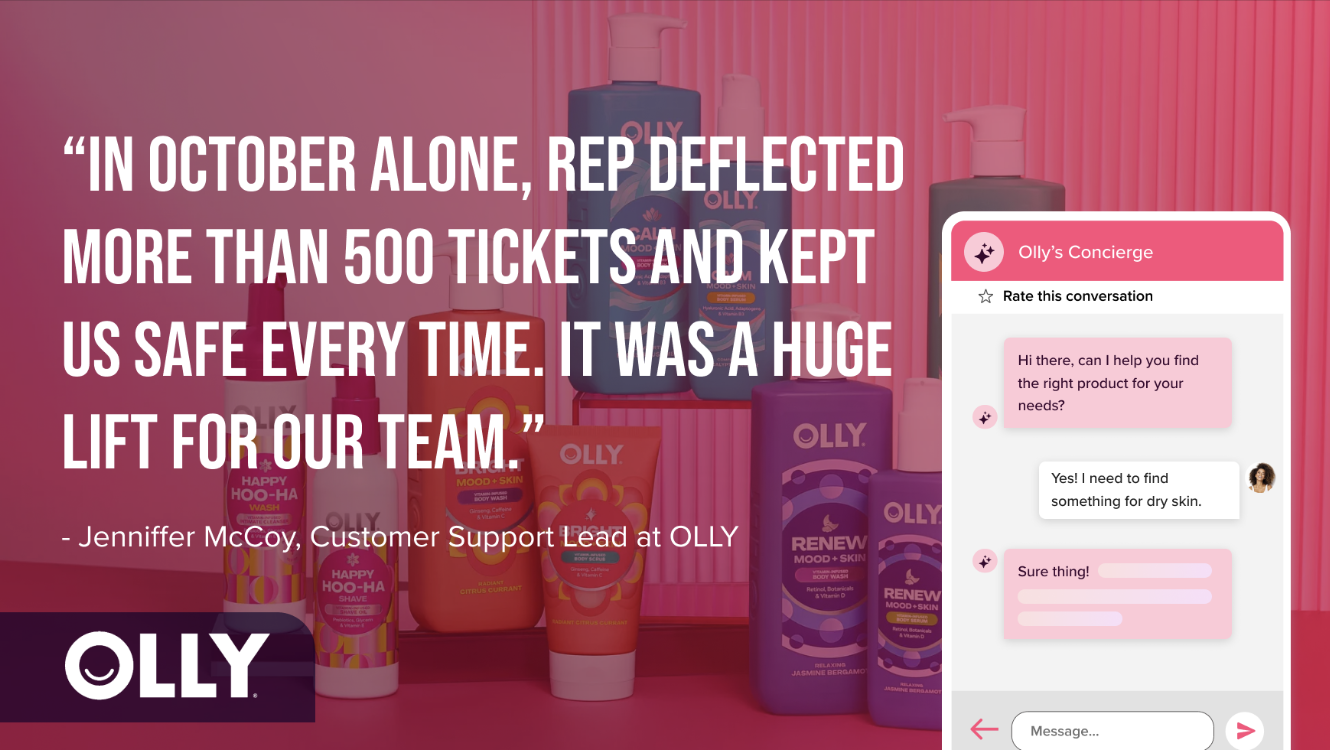
We analyze millions of shopper interactions across high-growth e-commerce stores and see exactly what drives conversion, where shoppers hesitate, and which interventions change outcomes. That perspective gives us a clear view of which cart abandonment platforms prevent drop-off, which only recover it, and which fail to drive revenue.
This guide is grounded in real-world data and hands-on experience building sales-first AI for e-commerce.
Note: We do not accept payment for placement in this guide. All recommendations are from our own research and personal judgement.
What Is a Shopping Cart Abandonment SaaS Solution?
A shopping cart abandonment SaaS solution is a cloud-based platform that helps e-commerce businesses minimize the number of shoppers who leave without completing a purchase. It can also recover lost revenue by re-engaging shoppers through email, SMS, and retargeting.
These platforms connect to your e-commerce stack, typically via a Shopify app, API integration, or JavaScript snippet, and track shopper behavior in real time. When abandonment is detected (or predicted), it deploys targeted interventions. For instance, a conversational AI message, an exit-intent popup, an automated email sequence, an SMS reminder, or a retargeting ad.
But the best solutions go beyond reactive recovery. They use behavioral signals to identify at-risk shoppers before they abandon, giving brands a chance to address hesitation in the moment.
Types of Shopping Cart Abandonment Solutions
Shopping cart abandonment solutions fall into three categories based on when they intervene:
Prevention Solutions
Prevention solutions address abandonment before it happens. These platforms engage shoppers while they're still on-site, using behavioral data to detect hesitation, confusion, or exit intent, and then deploy proactive interventions.
For example, conversational AI agents, exit-intent pop-ups, on-site personalization overlays, and live-chat-triggered prompts.
Recovery Solutions
Recovery Solutions re-engages shoppers after they've left your site. They capture contact information during the session (or match known customers) and deploy multi-channel follow-up campaigns.
For example, abandoned cart email flows, SMS recovery sequences, browser push notifications, and retargeting ads.
Unified Platforms
Unified Platforms combine both approaches under one roof, covering behavioral engagement on-site alongside multi-channel recovery post-abandonment. These tend to deliver the highest ROI for mid-market and enterprise e-commerce brands because they address the full abandonment lifecycle.
Benefits of a Shopping Cart Abandonment SaaS Solution for Your E-commerce Store
Cart abandonment solutions deliver measurable impact across multiple dimensions of your business:
- Extract More Revenue from Existing Traffic: Paid acquisition costs have climbed steadily. But abandonment solutions let you convert more of the shoppers you already paid to attract, rather than spending more to replace visitors who leave empty-handed.
- Engage Shoppers at Peak Purchase Intent: The moment a shopper hesitates on a product page or lingers at checkout is when they're most likely to convert or abandon. Prevention-focused platforms that intervene at that exact moment can recover sales that email sequences sent hours later simply cannot.
- Understand Why Shoppers Leave: The best platforms don't just recover carts. They tell you why shoppers abandon them. That intelligence feeds directly into product page improvements, pricing decisions, and checkout optimization, creating compounding returns over time.
- Reduce Support Volume While Recovering Revenue: Many shoppers abandon their carts due to unanswered questions about sizing, shipping, or return policies. Conversational AI platforms that address these concerns proactively recover the cart and prevent future support tickets.
- Protect Margin with Smarter Discounting: Blanket coupon codes erode profit and train shoppers to abandon intentionally. But behavioral platforms deploy incentives only to genuinely at-risk shoppers, preserving margin on visitors who would have converted without prompting.
- Scale Personalization Without Headcount: Behavior-triggered interventions reach thousands of at-risk shoppers simultaneously with personalized, contextual messages. No human team can replicate that at scale.
The 10 Best Shopping Cart Abandonment SaaS Solutions for Ecommerce (2025)
Here's a quick comparison of the platforms covered in this guide:
1. Rep AI
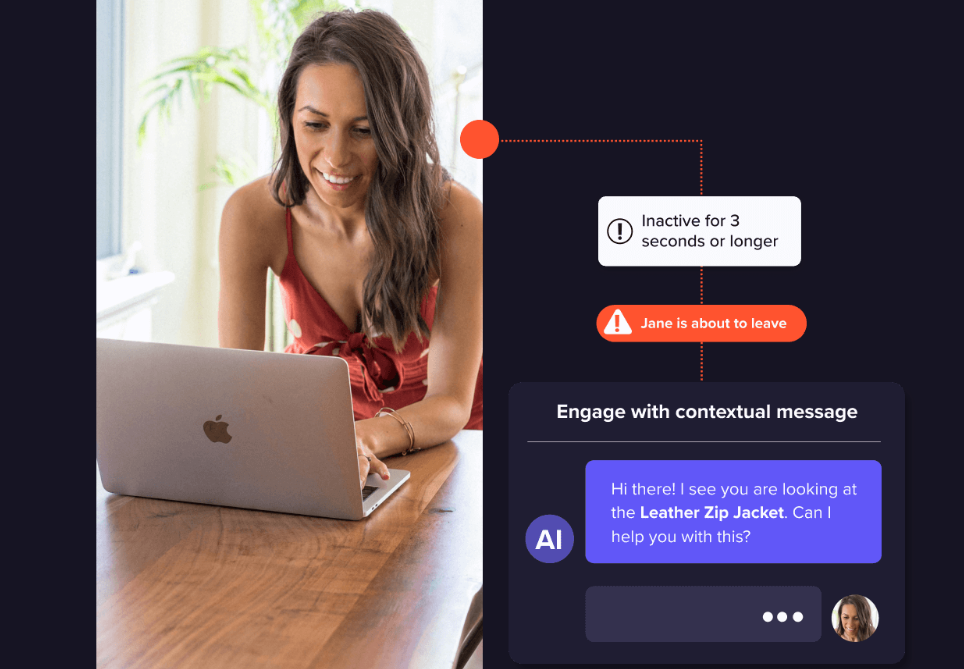
Rep AI is an Agentic Commerce Operating System built for Shopify Plus brands that want to prevent cart abandonment and increase conversion, not just recover lost carts.
Most cart abandonment platforms engage shoppers after they leave. But Rep AI engages before that happens.
Using a proprietary behavioral algorithm trained on over 160 million shopper sessions, Rep AI detects real-time signals, including hesitation, exit intent, and buying friction. When a shopper is likely to abandon, Rep AI proactively starts a conversational interaction to answer questions, address objections, recommend products, and guide the shopper to checkout.
As Rep AI is sales-first, these conversations are designed to drive purchases. Shoppers can browse visual product carousels, filter options, add items to cart, and proceed to checkout directly inside the conversation.
Beyond prevention, Rep AI re-engages returning visitors with personalized cart reminders and integrates with tools like Klaviyo for post-session recovery. It can also automate customer support requests, including order tracking, returns, cancellations, and frequently asked questions. This helps reduce ticket volume while keeping sales and support unified within a single platform.
Brands using Rep AI typically see a 10–30% lift in conversion rate within the first 30 days, along with significant reductions in support tickets. The company includes a 5X ROI guarantee as part of its trial offering.
Key Features
- Behavioral AI Sales Agent: Detects drop-off with 92% accuracy and engages shoppers showing exit intent before they abandon.
- Abandoned Cart Rescue: Initiates personalized conversations in-session, not hours later via email.
- One-Click Add to Cart: Shoppers add items directly in chat without browser redirects or leaving the conversation.
- Go to Checkout in Chat: Navigates to checkout inside the conversation—no new windows or tabs.
- Visual Product Carousels: Shoppers browse and compare products without leaving the chat interface.
- Upsell After Add-to-Cart: Surfaces complementary product recommendations at the highest-intent moment in the session.
- Shopper Intelligence & Drop-Off Analytics: Surfaces drop-off reasons, missing website information, and AI-powered CX recommendations.
- Klaviyo Conversation Sync: Pushes session data and conversation topics directly into Klaviyo for targeted post-abandonment recovery campaigns.
Pricing
Pricing tiers scale with monthly sessions. All include a 30-day free trial, plus an ROI money-back guarantee.
- Pay As You Grow: Starts at $12/month
- AI Sales Agent: Starts at $79/month
- AI Support Agent: Starts at $39/month
- AI Concierge Bundle: Starts at $95/month
- Enterprise (500K+ sessions): Custom pricing
Integrations
Klaviyo, Postscript, Omnisend, Attentive, Gorgias, Zendesk, Freshdesk, Richpanel, Kustomer, Yotpo, Loop, Tapcart, Meta, WhatsApp, Slack, and Shopify.
Pros
- One of the few platforms on this list that identifies disengaged shoppers in real time and intervenes before abandonment occurs.
- Full agentic commerce platform, replacing the need for multiple point solutions across sales, support, and analytics.
- Genuinely conversational AI that feels human, not scripted pop-up responses.
- Shopper intelligence capabilities that no other platform in this space offers (drop-off reasons, emotion analysis, and AI CX recommendations).
- Longest free trial in the category (30 days) with a 60-day money-back guarantee.
- Conservative 3-hour attribution window.
Cons
- Currently only available for Shopify and Salesforce Commerce Cloud, with more integrations coming soon.
- Language support currently covers English and Spanish.
2. Klaviyo
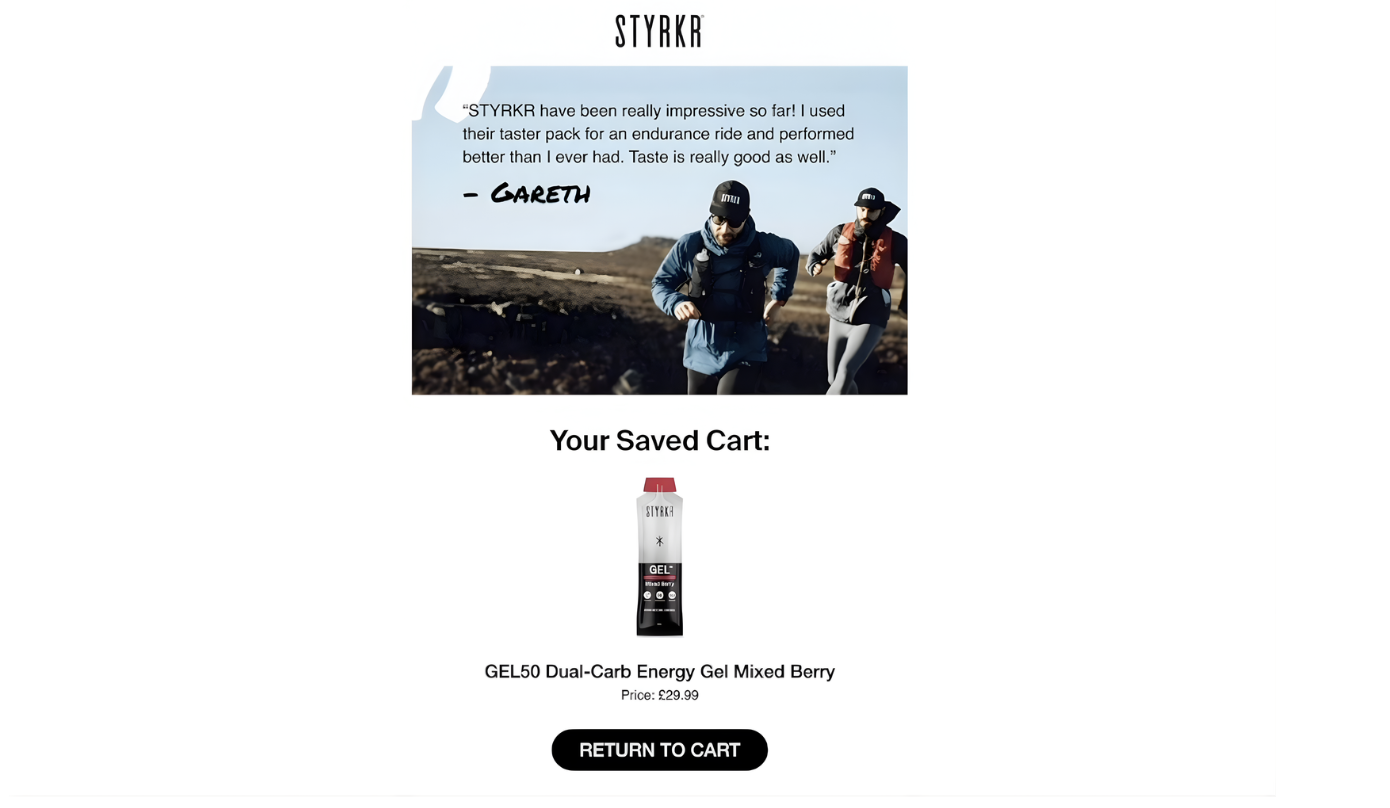
Klaviyo is the dominant email and SMS marketing platform in the Shopify ecosystem, and for good reason. Its abandoned cart recovery flows are customizable and powered by customer data integrations with your e-commerce stack.
When a shopper abandons a cart, Klaviyo can trigger a multi-step flow that factors in cart value, product category, customer lifetime value, purchase history, and engagement behavior.
Klaviyo's strength is in post-abandonment recovery. Its primary mechanism is the email and SMS sequence, but within that lane, the depth of segmentation, predictive analytics, and flow customization is best-in-class.
For Shopify Plus merchants, Klaviyo is often already in the stack and pairs naturally with prevention-focused platforms like Rep AI. Rep AI syncs conversation data and topics directly into Klaviyo profiles for targeted recovery campaigns.
Key Features
- Pre-Built Abandonment Flows: Ready-to-deploy abandoned cart, browse abandonment, and checkout abandonment sequences.
- Advanced Segmentation: Target recovery campaigns across 500+ behavioral and demographic data points.
- Predictive Analytics: CLV modeling, churn risk scoring, and next purchase date predictions to inform recovery prioritization.
- AI-Powered Send Time Optimization: Automatically sends recovery messages when each individual subscriber is most likely to engage.
Pricing
- Free plan: up to 250 contacts, 500 monthly emails.
- Email plan from $45/month (15,000 emails/month).
- Email + SMS plan from $60/month (15,000 emails + 1,250 SMS credits/month).
- Scales by active profile count.
Integrations
Shopify, BigCommerce, WooCommerce, Magento, Salesforce, Attentive, Postscript, Yotpo, Recharge, Gorgias, and 350+ more.
Pros
- Best-in-class segmentation and flow complexity for post-abandonment recovery.
- Deep Shopify data integration for real-time behavioral triggers.
- Predictive analytics and CLV modeling give long-term retention visibility.
- Massive integration ecosystem.
Cons
- Post-abandonment only, no on-site prevention or behavioral engagement.
- Pricing scales aggressively with list size, and 2025 billing changes have increased costs for many brands.
- Steep learning curve for non-technical marketers.
- SMS is limited to the US, UK, Canada, Australia, and New Zealand.
3. Omnisend
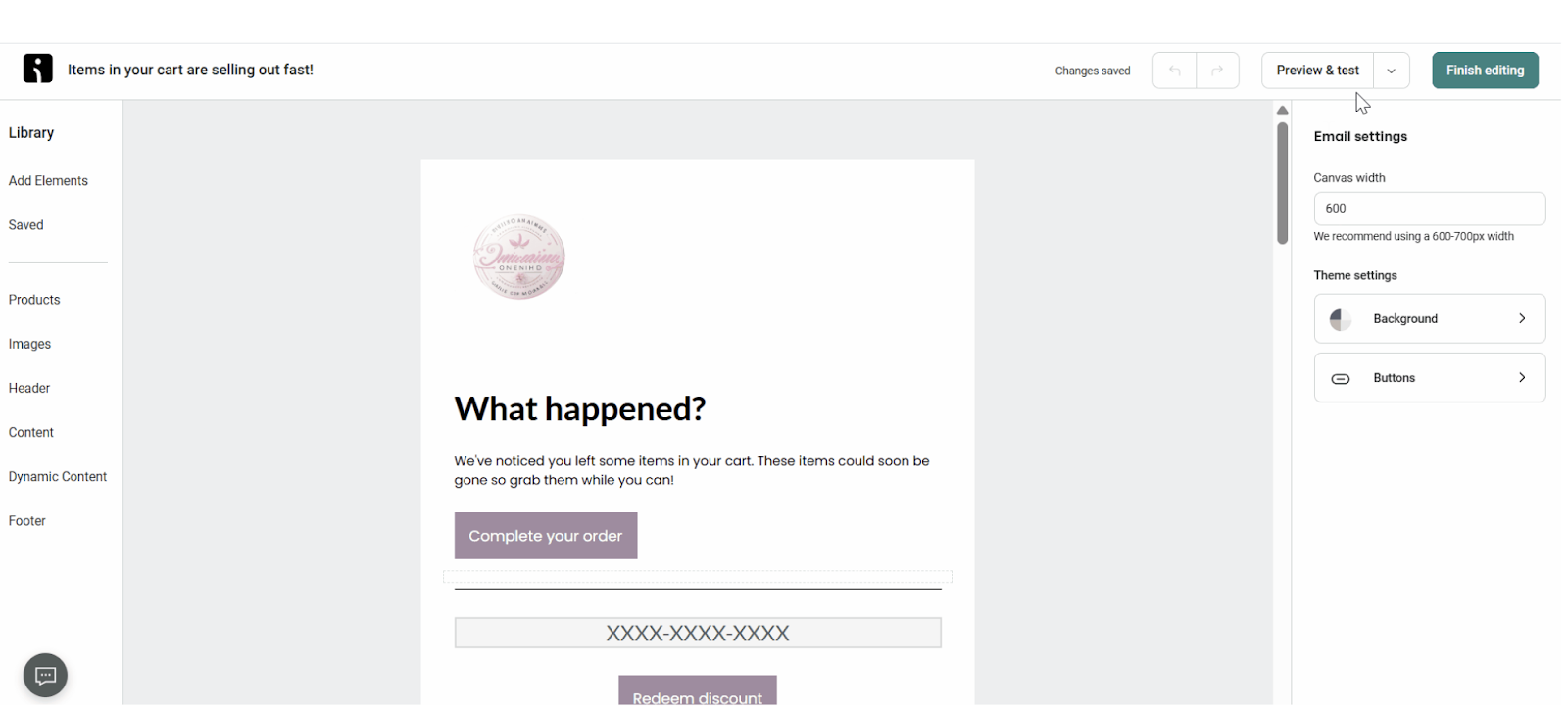
Omnisend is a marketing automation platform purpose-built for e-commerce, offering abandoned cart recovery across email, SMS, and web push notifications within an intuitive workflow builder. It's particularly well-suited to brands that want omnichannel recovery without a learning curve or price escalation at scale.
Omnisend's cart abandonment workflows are pre-built and ready to deploy in minutes. You can layer email, SMS, and push notifications together in a single automation, reaching shoppers across multiple channels in the hours and days after abandonment.
Key Features
- Omnichannel Recovery in One Automation: Combine email, SMS, and web push notifications in a single workflow without switching platforms.
- 500+ Segmentation Data Points: Target recovery campaigns with precision based on browsing behavior, purchase history, and engagement patterns.
- Gamified Signup Forms: Spin-to-win and interactive forms for building the email and SMS lists that power recovery campaigns.
Pricing
- Free plan: up to 250 contacts, 500 emails/month.
- Standard plan from $11.20/month (500 contacts, 6,000 emails/month, $1 in free SMS).
- Pro plan from $41.30/month (2,500 contacts, unlimited emails, global SMS messaging).
- Custom pricing is available for businesses with custom needs or large contact volumes.
Integrations
Shopify, BigCommerce, WooCommerce, Magento, Klaviyo, Facebook Ads, Google Ads, Gorgias, Yotpo, and 130+ more.
Pros
- Omnichannel recovery across email, SMS, and push in a single workflow.
- Cart abandonment tracking starts before checkout (broader capture window).
- Predictable and affordable pricing..
- 24/7 customer support on all plans.
Cons
- Less advanced segmentation and predictive analytics..
- Limited SMS coverage for international markets.
- Fewer third-party integrations..
- Web push notifications require opt-in, limiting reach.
4. Postscript
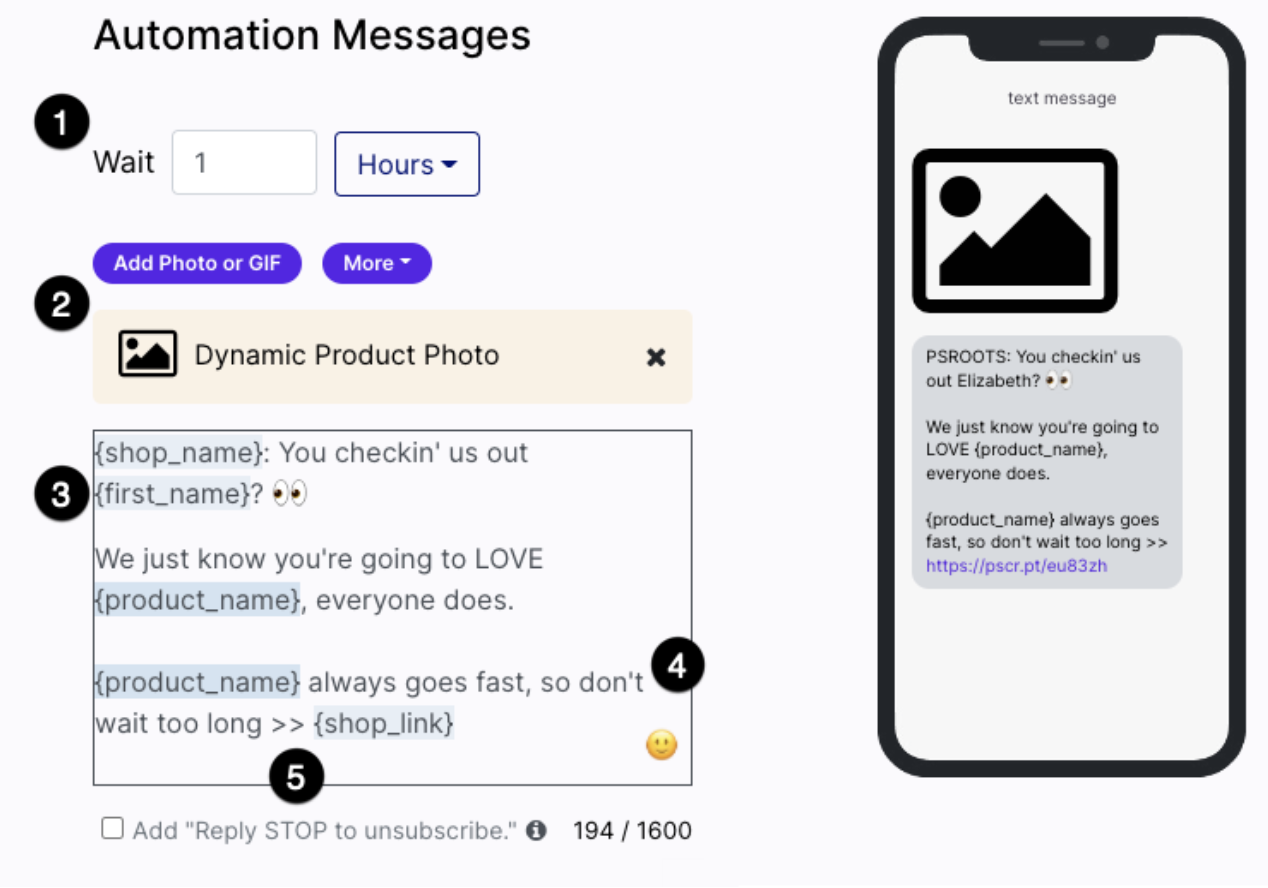
Postscript is an SMS marketing platform built exclusively for Shopify. Its abandoned cart recovery sequences are designed from the ground up around text message marketing.
With Postscript, SMS open rates consistently outperform email, and Postscript's Shopify-native data access allows hyper-targeted abandoned cart sequences based on purchase history, cart value, and customer segment.
The platform also supports two-way conversational SMS, so customer replies to recovery messages can be handled by a human agent or routed intelligently.
Key Features
- Two-Way Conversational SMS: Customer replies are routable to human agents, enabling real engagement rather than one-way messaging.
- Hyper-Segmented Campaigns: Build recovery audiences using Shopify purchase history, cart value, and customer segment data.
- MMS Support: Include images, GIFs, and rich media in recovery messages to drive clicks.
- TCPA-Compliant List Building: Popup and signup page tools for capturing SMS consent legally and at scale.
Pricing
- Starter: $0/month base fee + $49 monthly minimum spend ($0.009/SMS, $0.045/MMS + carrier fees).
- Growth: $100/month base fee ($0.008/SMS, $0.03/MMS + carrier fees).
- Professional: $500/month base fee ($0.007/SMS, $0.024/MMS + carrier fees).
- Enterprise: Custom pricing (contact sales).
Integrations
Shopify (exclusive), Klaviyo, Gorgias, Attentive, and major Shopify app ecosystem tools.
Pros
- Purpose-built for Shopify, with the deepest native data access of any SMS platform.
- SMS open rates significantly exceed email, especially for time-sensitive recovery.
- Strong compliance infrastructure for TCPA and opt-in management.
Cons
- SMS requires explicit opt-in consent, limiting the addressable audience.
- More expensive starting point than email-first platforms.
- Requires a separate email platform for full-funnel recovery coverage.
5. Justuno
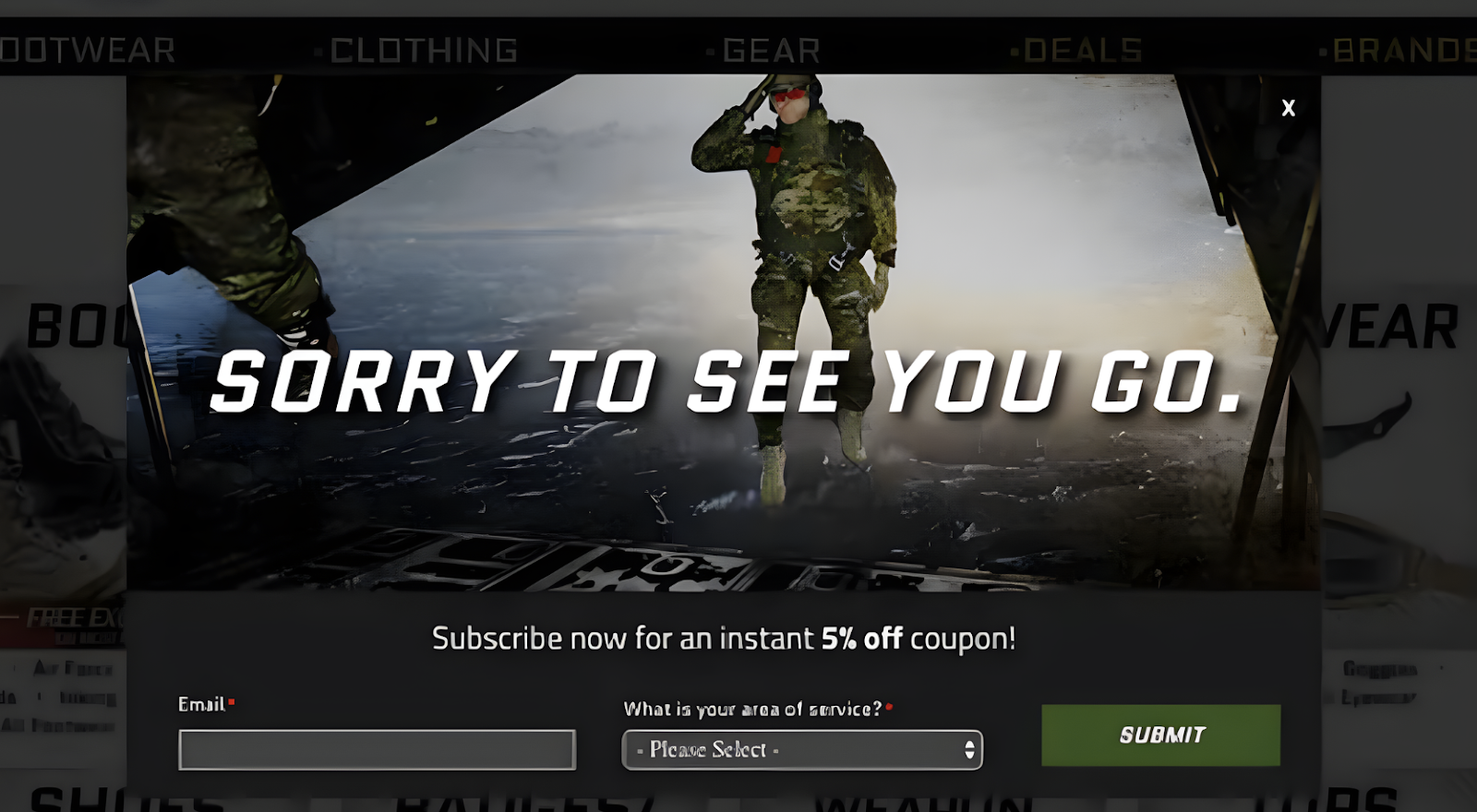
Justuno takes the prevention approach to cart abandonment. Rather than chasing shoppers after they've left, it deploys targeted on-site messaging, exit-intent popups, slide-ins, banners, and embedded CTAs.
The platform’s strength lies in its behavioral targeting engine, which analyzes data from UTM parameters, IP addresses, cart value, page depth, and product interactions. It uses this information to deliver the most relevant message to each visitor at precisely the right moment.
Justuno also supports A/B testing at the campaign level, enabling brands to optimize which offers, messages, and timing drive the highest conversion rates.
Key Features
- Exit-Intent Popup Technology: Behavioral triggers display on-site messages when a visitor shows signs of leaving.
- Personalized On-Site Messaging: Serves different messages based on cart value, traffic source, browsing behavior, and customer segment.
- Email and SMS Lead Capture: Integrated opt-in forms within exit flows build the lists that power post-abandonment recovery campaigns.
- Commerce AI Product Overlays: Surfaces personalized upsell and cross-sell recommendations during the active shopping session.
Pricing
- Free plan for stores under 2,000 monthly visitors.
- Lite plan from $35/month (up to 5,000 monthly visitors).
- Flex plan from $89/month (advanced segmentation and automation).
- Enterprise plan: custom pricing.
- 14-day free trial.
Integrations
Shopify, BigCommerce, Klaviyo, Mailchimp, Omnisend, HubSpot, Salesforce, and major ESP platforms.
Pros
- Behavioral targeting is more sophisticated than basic pop-up tools.
- Prevents abandonment on-site rather than chasing after the fact.
- Upsell and cross-sell features increase AOV alongside cart recovery.
- A/B testing framework for continuous optimization.
- Strong ESP integrations for list capture and follow-up sequencing.
Cons
- On-site only, it does not cover post-abandonment recovery channels.
- Pricing scales with traffic, which can become expensive for high-volume stores.
- Exit-intent popups can frustrate high-intent shoppers if not carefully configured.
- Requires an additional email or SMS platform for full-cycle recovery coverage.
6. OptiMonk
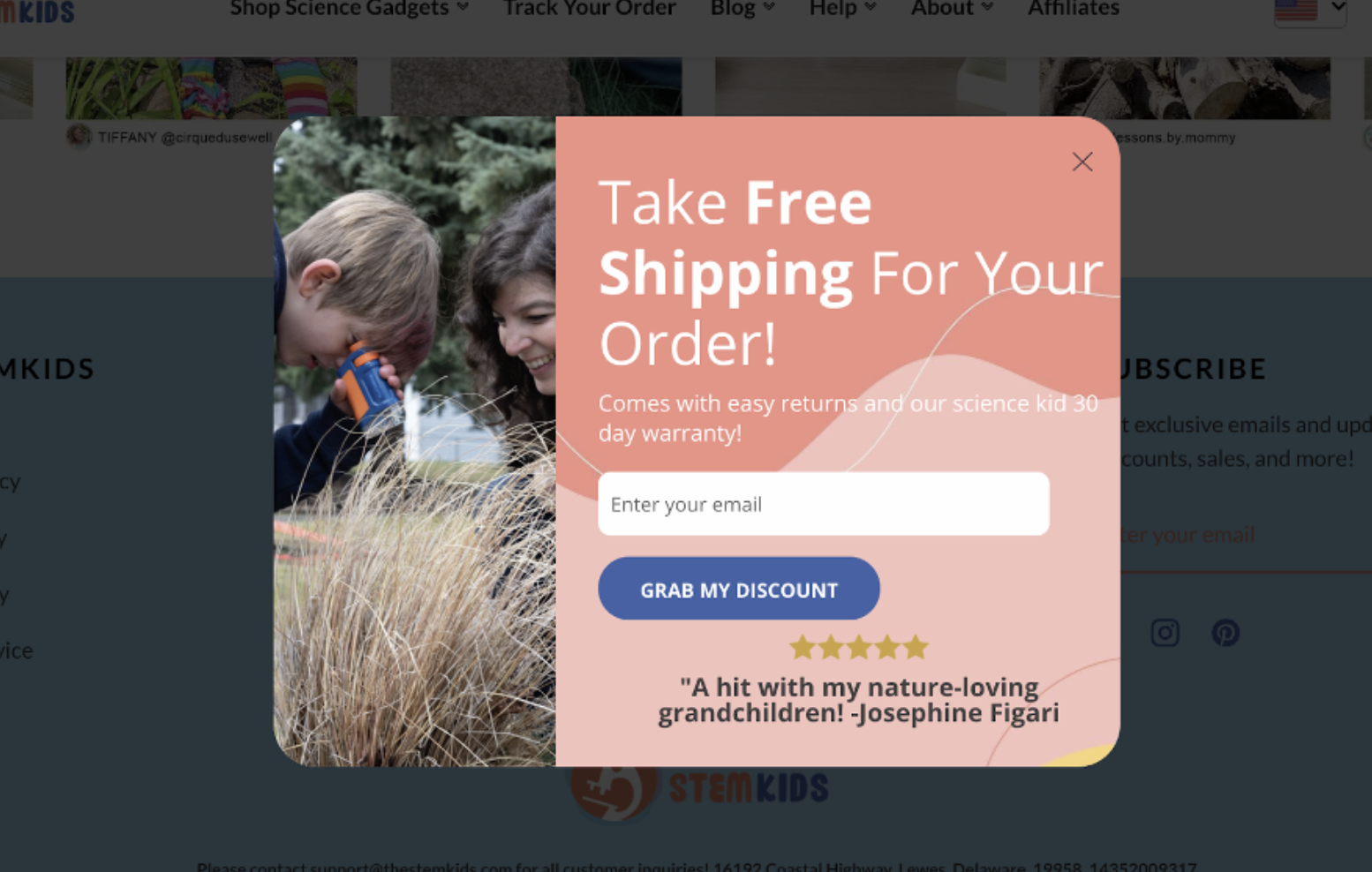
OptiMonk is a conversion optimization platform focused on on-site pop-up and messaging campaigns. For cart abandonment prevention, it deploys exit-intent popups, cart value threshold messages, and personalized offers triggered by shopper behavior.
Its accessible pricing and free plan make it particularly popular with smaller e-commerce brands that want on-site abandonment prevention without committing to a high monthly fee.
The platform's AI automation layer handles personalization of pop-up content based on the products in a shopper's cart and their browsing behavior.
Key Features
- Dynamic Cart Value Targeting: Shows shoppers exactly how much more they need to spend to qualify for free shipping.
- AI-Powered Popup Personalization: Automates message content based on cart contents and browsing behavior without manual segmentation.
- Countdown Timers and Urgency Elements: Create time-sensitive offers to drive immediate purchase decisions.
Pricing
- Free plan available.
- Essential: $19/month (up to 20,000 pageviews/month).
- Growth: $69/month (up to 100,000 pageviews/month).
- Premium: $179/month (up to 500,000 pageviews/month).
- Master: Custom pricing.
- 14-day free trial on paid plans.
Integrations
Shopify, WooCommerce, BigCommerce, Klaviyo, Mailchimp, HubSpot, and 30+ ESP and analytics integrations.
Pros
- AI-powered personalization automates pop-up content without manual segmentation.
- Strong A/B testing framework for conversion optimization.
- The dynamic free shipping bar is highly effective at reducing price-driven abandonment.
- Straightforward setup with no-code editor.
Cons
- With a pop-up-reliant approach, high-intent shoppers can find exit-intent overlays intrusive.
- No post-abandonment recovery channels (email, SMS, or push).
- Less behavioral depth than enterprise prevention platforms.
- Limited to on-site engagement, it requires a separate recovery platform for full coverage.
7. CartStack
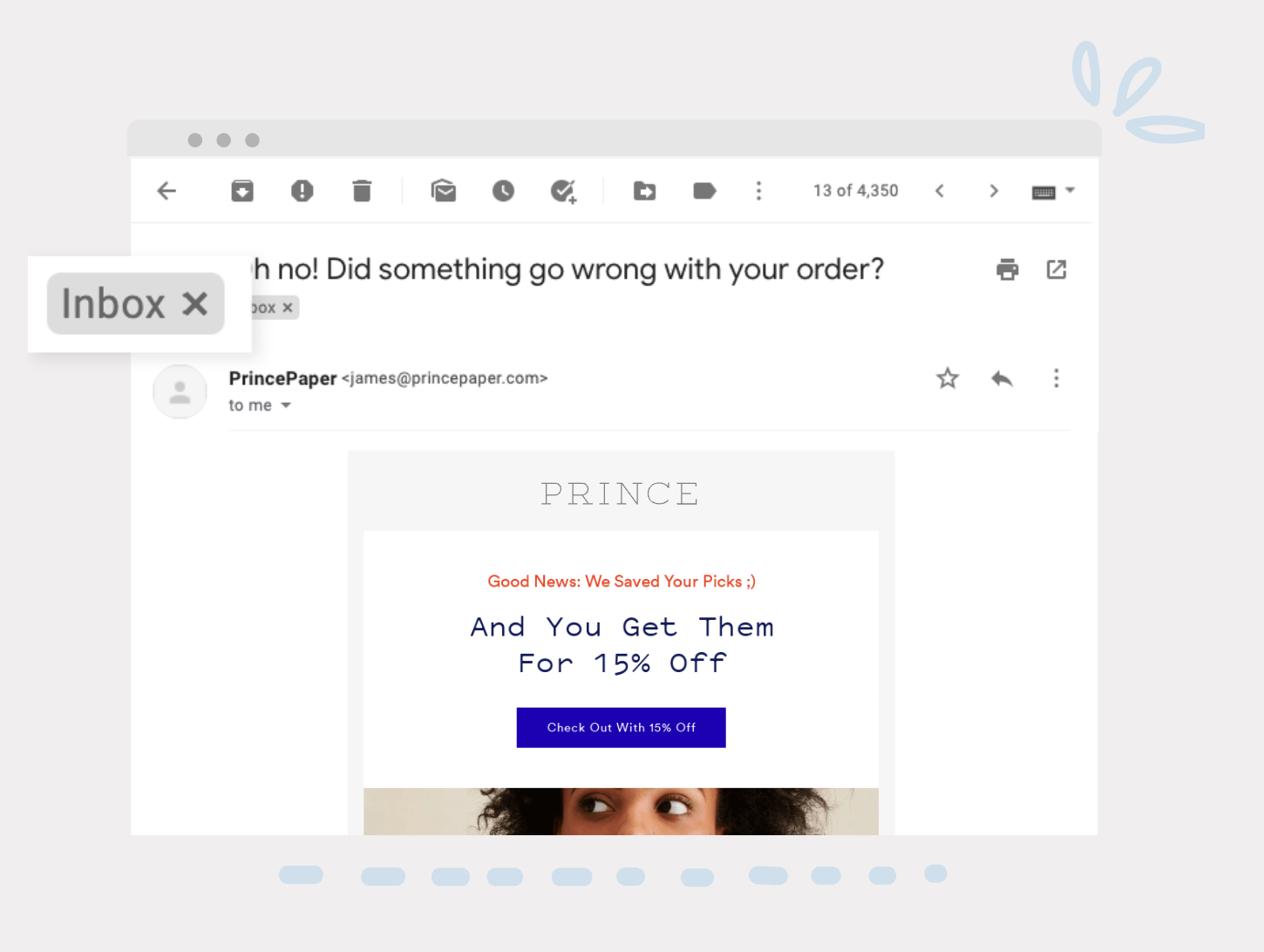
CartStack is an abandoned cart recovery platform that specializes in multi-channel re-engagement sequences across email, SMS, and browser push notifications. Its real-time email capture technology captures email addresses as shoppers type them into checkout forms.
For brands seeking a recovery-focused solution without the complexity of a full marketing automation platform, CartStack provides a streamlined experience. It includes pre-built campaigns that are ready to launch in just minutes.
Key Features
- Multi-Channel Recovery: Email, SMS, and browser push notifications in a single platform.
- Browse Abandonment Tracking: Recovers shoppers who viewed products but never added to the cart.
- Pre-Built Recovery Templates: Campaigns are ready to deploy with minimal configuration, with no marketing automation expertise required.
- On-Site Exit-Intent Overlays: Captures leads in real time to feed into recovery sequences.
Pricing
- Basic: $29/month.
- Pro: $49/month.
- Agency: $149/month.
- Scales with monthly order volume.
- 14-day free trial.
Integrations
Shopify, Shopify Plus, BigCommerce, Magento, WooCommerce, Ecwid, Volusion, and 15+ additional e-commerce platforms.
Pros
- Quick setup with pre-built campaigns, and no marketing automation expertise required.
- Broad e-commerce platform support beyond Shopify.
- Transparent per-volume pricing.
Cons
- No on-site behavioral engagement or prevention capabilities.
- The email template editor has limited HTML customization flexibility.
- No CRM or advanced segmentation, purely a recovery-focused tool.
- Smaller integration ecosystem than broader marketing automation platforms.
- No predictive analytics or customer lifetime value modeling.
8. Drip

Drip is an e-commerce-focused CRM and marketing automation platform. Its abandoned cart workflows are built on an email-first automation framework, using multi-step sequences that adapt based on customer behavior, purchase history, and engagement patterns.
Drip differentiates itself from pure email tools through its CRM layer. Customer profiles aggregate purchase history, browsing behavior, support interactions, and email engagement, enabling more contextually and personally tailored recovery sequences than list-based email platforms.
Key Features
- CRM-Backed Customer Profiles: Aggregates purchase history, browsing behavior, and engagement data for more contextual recovery messaging.
- On-Site Popups and Forms: Light-blocking capabilities for lead capture and exit-intent engagement.
- Product Recommendation Blocks: Surfaces relevant product suggestions directly inside abandonment emails.
- Visual Workflow Builder: Drag-and-drop automation canvas with conditional split logic.
Pricing
- Starts at $39/month.
- 14-day free trial.
- Scales with contact list size.
Integrations
Shopify, BigCommerce, WooCommerce, Magento, Klaviyo, Facebook Ads, and 150+ ecommerce and marketing tools.
Pros
- CRM layer provides a richer customer context than list-based email platforms.
- Multi-step workflows with behavioral branching allow sophisticated flow logic.
- On-site tools add a light prevention capability alongside recovery.
- Visual workflow builder is relatively accessible for non-technical marketers.
- Strong product recommendation blocks in email content.
Cons
- Email-centric, SMS, and other channels are secondary.
- Less powerful segmentation for advanced use cases.
- On-site tools are basic compared to dedicated prevention platforms.
9. ActiveCampaign
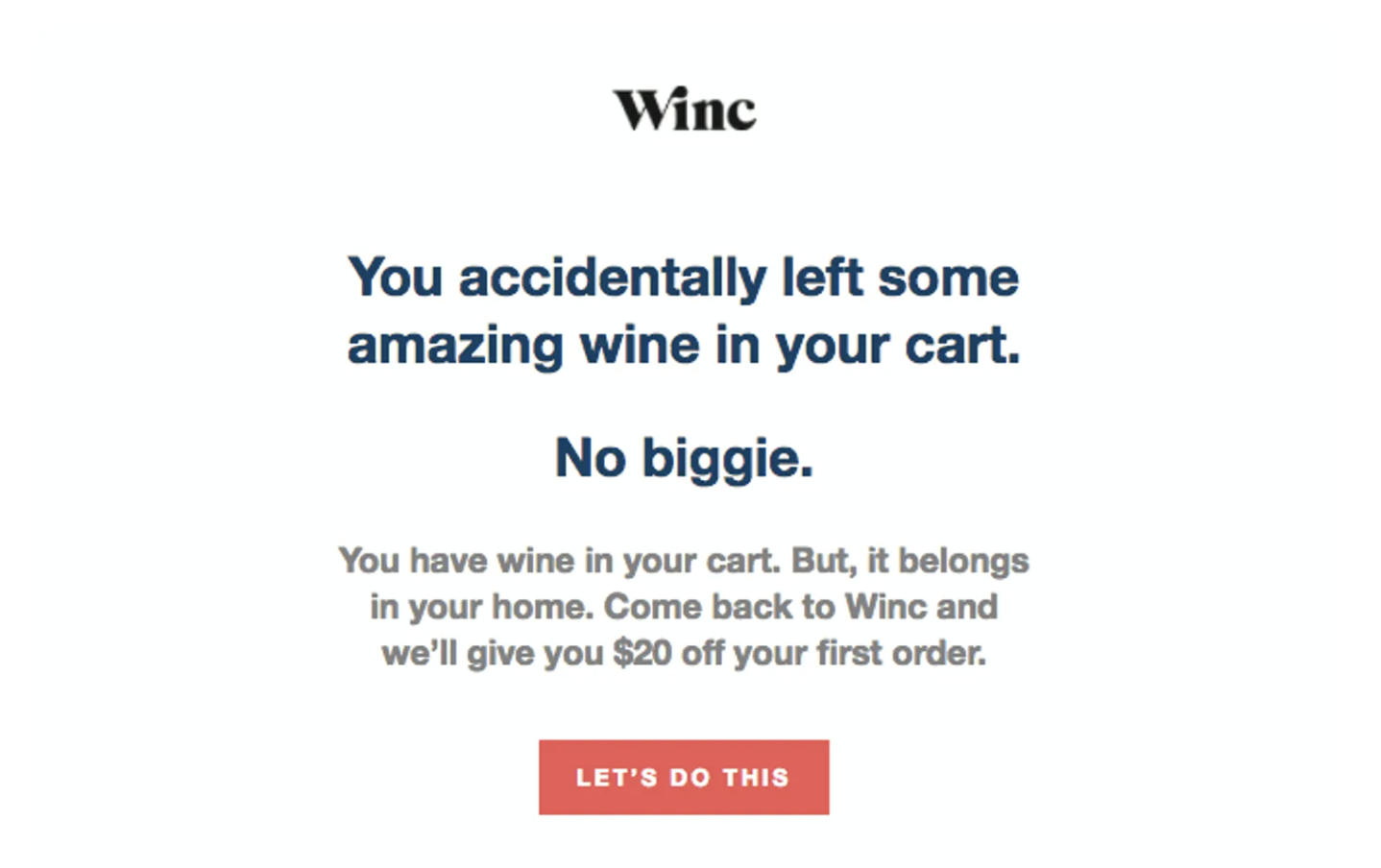
ActiveCampaign is an omnichannel CRM and marketing automation platform used by e-commerce brands that need deep customer data management alongside multi-channel abandonment recovery.
Its abandoned cart workflows integrate email, SMS, and Facebook and Google ad retargeting within a single automation canvas.
For brands that have outgrown a purely email-focused recovery approach, ActiveCampaign provides the ability to coordinate abandoned cart strategies with CRM, lead nurturing, and loyalty campaigns. It offers a broader automation foundation compared with e-commerce-specific tools.
Key Features
- SMS + Ad Retargeting in One Flow: Combine email, SMS, and Facebook and Google retargeting within a single automation.
- Site Tracking for Browse Abandonment: Triggers recovery flows based on page-level behavior, not just cart activity.
- Customer Scoring: Prioritizes recovery efforts based on predicted engagement and purchase likelihood.
Pricing
- Starter plan from $15/month.
- Plus plan from $49/month (includes CRM, automation, and landing pages).
- Pro plan from $79/month (adds predictive sending and advanced reporting).
- 14-day free trial.
Integrations
Shopify, BigCommerce, WooCommerce, Salesforce, HubSpot, Facebook Ads, Google Ads, Klaviyo, and 900+ more.
Pros
- Broadest integration ecosystem on this list, 900+ connections.
- Omnichannel recovery with email, SMS, and ad retargeting in one platform.
- CRM-backed segmentation for more personalized recovery sequences.
- Predictive sending improves open and click rates on recovery emails.
- Well-suited to brands that need marketing automation beyond e-commerce recovery.
Cons
- Not e-commerce-native, some features require more setup than Shopify-specific tools.
- Can be complex to configure for users without marketing automation experience.
- E-commerce-specific features are less deep.
- Pricing climbs quickly at higher contact volumes.
10. Yieldify
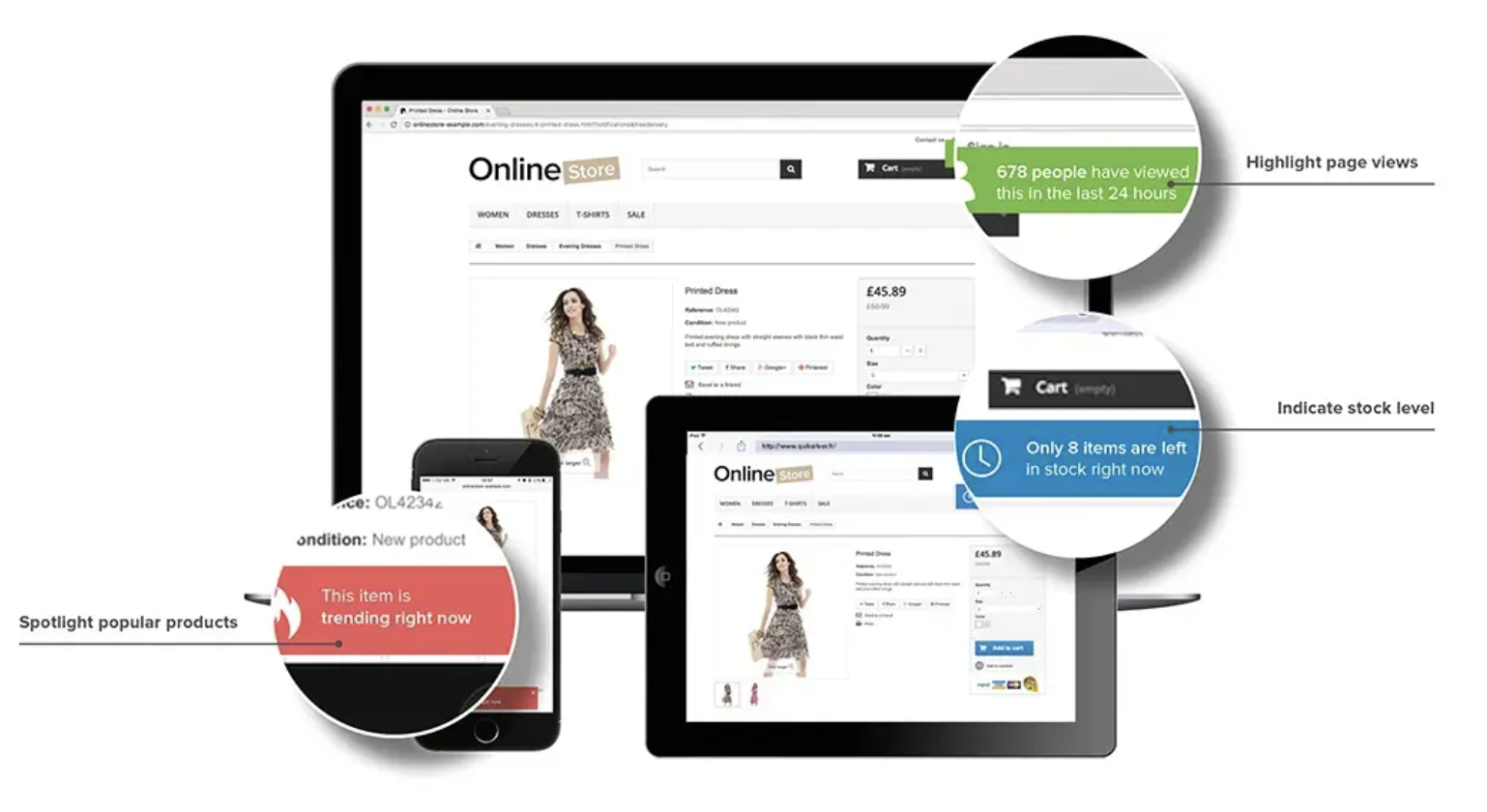
Yieldify is an enterprise-grade website personalization platform that targets cart abandonment through on-site behavioral engagement. It offers deep audience segmentation, A/B and multivariate testing, and personalized overlays.
Unlike self-serve platforms, Yieldify operates on a managed services model. For enterprise brands without the internal CRO bandwidth to manage complex on-site experiments, that support layer is a significant value-add.
Key Features
- A/B and Multivariate Testing: Enterprise-grade experimentation framework for continuous abandonment prevention optimization.
- Exit-Intent Overlays with Dynamic Content: Behavior-based offers that adapt to what each visitor has done on-site.
- Social Proof and Urgency Modules: Real-time social proof notifications and scarcity messaging to drive purchase decisions.
- Dedicated Strategy Team: Managed service model includes strategic support for campaign configuration and optimization.
Pricing
- Custom pricing.
Integrations
Shopify, Shopify Plus, Salesforce Commerce Cloud, Magento, BigCommerce, Klaviyo, Mailchimp, and major ESP platforms.
Pros
- Managed service model provides strategic support that self-serve tools don't offer.
- Sophisticated multivariate testing framework for enterprise-scale optimization.
- Deep on-site personalization beyond basic exit-intent popups.
- Suitable for complex e-commerce environments with multiple audience segments.
Cons
- Custom pricing and a demo-required process create a high barrier to entry.
- Not suitable for brands without enterprise-level traffic and budgets.
- On-site prevention only, and does not cover post-abandonment email or SMS recovery
- Slower to launch than self-serve platforms.
Key Features to Look for in a Shopping Cart Abandonment Solution
In building this list, we assessed each platform across six core criteria:
- Abandonment Coverage Type: Does the platform address prevention, recovery, or both? Unified platforms scored higher because they address the full abandonment lifecycle.
- Behavioral Intelligence Depth: Can the platform detect why shoppers are abandoning, and can it predict disengagement before it happens? Proactive capability was the strongest differentiator in the category.
- Channel Coverage: A single-channel solution (email-only or SMS-only) leaves recovery gaps. We favored platforms that reach shoppers across multiple touchpoints.
- E-commerce Platform Fit: Native Shopify integration matters for merchant data access, automation trigger reliability, and setup speed. Shopify Plus-specific capabilities (like catalog sync depth and checkout access) were evaluated separately.
- Pricing Model Transparency: Some platforms scale unpredictably, particularly those with contact-based pricing that auto-upgrades as lists grow. We flagged these dynamics clearly.
- Reporting and Attribution Quality: Results you can trust require conservative, accurate attribution. We noted platforms that inflate reported impact through long attribution windows.
- Integrations and Data Sync: Abandonment recovery works best when it doesn’t operate in isolation. We prioritized platforms that integrate deeply with the rest of your marketing and CX stack, syncing data with tools like email service providers, helpdesks, analytics platforms, and personalization engines
How to Choose a Shopping Cart Abandonment Solution for Your E-commerce Business
Choose the right cart abandonment solution by evaluating these five factors:
1. Start With Your Primary Problem
Cart abandonment solutions fall into two categories. If shoppers leave before you capture their contact info, you need to prevent it. On the other hand, if you have recoverable lists but weak follow-up, you need recovery. Most scaling brands need both, pairing on-site behavioral engagement with email and SMS recovery.
2. Match the Solution to Your Traffic Volume
Prevention platforms need volume to generate meaningful behavioral signals. For instance, Rep AI is built for stores with 180k+ monthly sessions. So, smaller stores get better ROI from recovery platforms with strong segmentation.
3. Understand Where You Are on the AI Adoption Curve
The AI Adoption category is split into two camps:
- Legacy platforms automate email sequences and pop-up rules on preset schedules.
- Agentic platforms detect behavioral signals in real time, respond conversationally, take actions inside the chat, and surface intelligence about why abandonment happens.
For brands serious about driving revenue, not just deflecting tickets, that distinction matters.
4. Check Attribution Models Before Comparing ROI
Some platforms use 3-day or 7-day attribution windows, crediting any purchase within that timeframe to the recovery campaign, whether it influenced the decision or not. For instance, Rep AI uses a conservative 3-hour same-session window. So, always ask what attribution model a platform uses before comparing results.
5. Think Beyond Cart Recovery
Cart abandonment is a symptom of friction across the shopper journey. But the best platforms surface what questions your product pages aren't answering and what objections your checkout flow isn't addressing. That intelligence compounds over time.
Which Shopping Cart Abandonment Solution Is Right for Your Store?
Most solutions in this guide solve one piece of the puzzle: email recovery, SMS follow-up, exit-intent popups, or multi-channel campaigns. While few combine proactive behavioral engagement, conversational cart rescue, and shopper intelligence in a single platform.
Rep AI is built to fill that gap.
Its agentic conversational AI engages high-intent visitors at the perfect moment, guides shoppers through frictionless one-click checkout, and surfaces actionable insights on visitor behavior.
Ready to stop abandonment at its root? Start your 30-day free trial and see what agentic behavioral AI does for your conversion rate.
FAQs
What's the difference between cart abandonment prevention and recovery?
Prevention focuses on engaging shoppers while they're still on your site, using behavioral AI, exit-intent popups, or conversational prompts to address hesitation before it becomes abandonment. Whereas recovery focuses on re-engaging shoppers after they've left, using email, SMS, push notifications, or retargeting ads. The most effective strategies combine both.
How long does it take to set up a cart abandonment platform?
Setup time varies widely. Rep AI can go live in 6 clicks with the catalog synced in 3–10 minutes. While pre-built recovery platforms like CartStack and Omnisend have campaigns ready to deploy in under an hour. Whereas enterprise platforms with managed onboarding (like Yieldify) can take several weeks. But most platforms offer free trials so you can evaluate performance before committing.
Can cart abandonment solutions work with my existing helpdesk and marketing stack?
Yes. Most cart abandonment platforms integrate with popular help desks like Gorgias, Zendesk, and Freshdesk, as well as marketing platforms like Klaviyo, Omnisend, and Postscript. Rep AI is stack-agnostic and works alongside your existing support and marketing infrastructure. But check each platform's integration page to verify compatibility before committing.
More from REP AI

How to Automate Support Tickets to Save Revenue in 2026
Industry data suggests that up to 80% of routine e-commerce inquiries can now be autonomously resolved through specialized agentic workflows. For most mid-market brands, the challenge isn't finding a tool to automate customer service tickets, it's finding a system that doesn't sacrifice the customer...

AI in B2C Sales: Rescuing Revenue with Agentic Commerce in 2026
Your current helpdesk isn't a sales tool; it's a digital waiting room where your most valuable customers go to lose interest. While 81% of sales teams have adopted some form of AI in B2C sales by 2026, most still rely on reactive systems that wait for a customer to ask a question. This gap between p...

Automated Customer Journey Optimization: Rescuing Revenue in 2026
Industry research from the Anchor Group indicates that brands implementing AI-driven personalization earn 40% more revenue than those stuck with static experiences. This performance gap is exactly why automated customer journey optimization has become the standard for growth-focused brands. You've l...
Want to see what your store would do with Rep?
Run your real Shopify catalog through the simulator before you commit to anything. No sales call required.

